Source Portable Electrochemical Digital Alcohol Tester for Car, Lab, and Food Testing
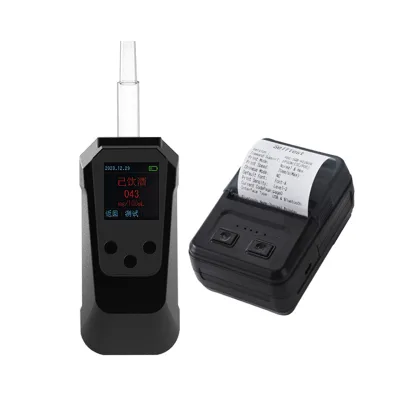
Find and compare 30 portable electrochemical digital alcohol tester options from verified suppliers. Evaluate models like the AMT126 and Jessubond JBJCY-A6-016 for car, lab, and food testing applications, noting features such as CE certification and aluminum construction.
Key considerations
Products List




Comprehensive Sourcing Guide
Portable Electrochemical Digital Alcohol Tester Sourcing Guide
Sourcing portable electrochemical digital alcohol testers requires a careful balance between technical precision, regulatory compliance, and commercial viability. These devices are critical for ensuring safety in transportation, workplace monitoring, and personal health management. The market offers a wide array of options, ranging from basic handheld units to more sophisticated digital analyzers. Buyers must navigate this landscape by focusing on verified specifications rather than marketing claims, ensuring that the selected devices meet the specific operational needs of their intended use cases.
This guide provides a structured approach to evaluating suppliers and products in this category. It emphasizes the importance of verifying core technical attributes, such as sensor type and measurement accuracy, while also considering the broader implications of certification and supply chain reliability. By adhering to the principles outlined herein, procurement professionals can mitigate risks associated with substandard equipment and ensure that their organizations receive products that deliver consistent, reliable performance.
Product Scope and Observed Listing Signals
The current market landscape for portable alcohol testers includes a diverse range of devices, from simple handheld refractometers to advanced electrochemical gas analyzers. Observed listings indicate a significant variation in product types, with some devices explicitly identified as "Electrochemical Gas Analyzer" models, such as the AMT126, while others are labeled as "Laboratory Refractometer" or "Handheld Refractometer" units. This distinction is crucial for buyers, as the underlying technology dictates the device's accuracy, response time, and suitability for specific applications. For instance, electrochemical sensors are generally preferred for breath alcohol testing due to their specificity to ethanol, whereas refractometers are typically used for liquid samples like fruit drinks or honey.
Listing signals also reveal a wide spectrum of physical attributes and packaging standards. Products vary in weight, with some units as light as 45g, making them highly portable, while others may be heavier due to additional housing or battery components. Packaging options range from simple carton packing to more robust box configurations, which can impact shipping costs and product protection during transit. Additionally, the presence of customization options, including OEM support, suggests that many suppliers are willing to tailor products to specific brand or functional requirements. Buyers should carefully review these signals to align product characteristics with their logistical and operational constraints.
Technical Specifications to Verify
When evaluating technical specifications, the sensor type is the most critical factor to verify. Electrochemical sensors offer high specificity for ethanol detection, minimizing interference from other volatile organic compounds. Buyers should confirm that the device utilizes this technology, especially for applications requiring legal or safety-critical accuracy. Other key specifications include the detection range and measurement accuracy. For example, some listed models specify a detection range of 0-400mg/100ml, which is suitable for comprehensive breath alcohol analysis. Accuracy ratings, such as 0.5%, are also important indicators of device reliability and should be cross-referenced with independent test data or supplier certifications.
Physical dimensions and power requirements are additional technical aspects that influence usability and deployment. Compact dimensions, such as 103mm x 37mm x 19mm, enhance portability, making the devices suitable for field use by law enforcement or workplace safety officers. Power supply options, whether battery-operated or rechargeable, affect the device's operational longevity and maintenance costs. Buyers should also consider the display type, with digital displays offering clearer readings and easier data interpretation compared to analog alternatives. Verifying these specifications ensures that the selected device fits seamlessly into existing workflows and meets the necessary performance standards.
Compliance and Safety Documentation
Compliance with international standards is non-negotiable for portable alcohol testers, particularly those used in regulated industries. Certifications such as CE, RoHS, and FCC are commonly observed in product listings, indicating adherence to European safety, environmental, and electromagnetic compatibility standards. Buyers must verify the validity of these certifications by requesting official documentation from suppliers. The presence of these marks suggests that the product has undergone rigorous testing for safety and environmental impact, reducing the risk of regulatory non-compliance in target markets. However, buyers should be cautious of listings that claim certifications without providing verifiable proof.
In addition to product-level certifications, suppliers should be able to provide documentation related to manufacturing standards and quality management systems. ISO standards, such as ISO 9001, indicate a structured approach to quality control and continuous improvement. While some listings mention ISO compliance, buyers should confirm the specific scope and validity of these certifications. Furthermore, understanding the regulatory requirements in the destination country is essential, as local standards may differ from international ones. Ensuring that both the product and the supplier meet all relevant regulatory obligations is crucial for successful market entry and long-term operational compliance.
Cost Drivers and Commercial Terms
Several factors influence the cost of portable electrochemical digital alcohol testers, including sensor technology, build quality, and customization requirements. Devices with higher accuracy and specialized features, such as digital data logging or Bluetooth connectivity, typically command higher prices. Customization options, such as OEM branding or specific packaging, can also add to the overall cost. Buyers should request detailed quotations that break down these cost components to understand the value proposition of each supplier. Comparing prices across multiple suppliers can help identify market benchmarks and negotiate better terms.
Minimum Order Quantities (MOQs) and payment terms are significant commercial considerations that affect procurement strategy. Observed MOQs range from 1 to 500 units, offering flexibility for both small-scale buyers and large organizations. Suppliers with lower MOQs may be more suitable for initial trials or niche applications, while those with higher MOQs might offer better unit economies of scale. Payment terms, such as advance payment or letters of credit, should be aligned with the buyer's financial policies and risk tolerance. Additionally, lead times and shipping costs should be factored into the total cost of ownership, as delays or high freight charges can impact project timelines and budget.
Supplier Qualification and Quality Control
Supplier qualification is a critical step in ensuring the reliability and consistency of portable alcohol testers. Buyers should conduct thorough due diligence on potential suppliers, assessing their manufacturing capabilities, quality control processes, and track record. Requesting samples for testing is a practical way to evaluate product performance and build quality before committing to a larger order. Suppliers who are willing to provide samples and support testing demonstrate confidence in their products and a commitment to customer satisfaction. Additionally, verifying the supplier's location and production capacity can provide insights into their ability to meet demand and maintain quality standards.
Quality control measures implemented by the supplier directly impact the performance and longevity of the devices. Buyers should inquire about the supplier's testing protocols, including pre-shipment inspections and batch testing procedures. Suppliers with robust quality control systems are more likely to deliver products that meet specified technical and compliance requirements. Furthermore, establishing clear communication channels and contractual agreements regarding quality expectations can help prevent disputes and ensure that any issues are addressed promptly. Building a strong relationship with a qualified supplier can lead to better service, faster response times, and improved product quality over time.
Long-Term Procurement Checks
Long-term procurement success depends on continuous monitoring and evaluation of supplier performance and product quality. Buyers should establish key performance indicators (KPIs) to track metrics such as delivery times, defect rates, and customer feedback. Regular audits and reviews of supplier processes can help identify areas for improvement and ensure ongoing compliance with quality standards. Additionally, staying informed about technological advancements and regulatory changes in the alcohol testing industry is essential for maintaining a competitive edge. Buyers should proactively seek out suppliers who are committed to innovation and continuous improvement.
Sustainability and ethical sourcing practices are increasingly important considerations in long-term procurement strategies. Buyers should assess suppliers' environmental policies and labor practices to ensure alignment with their corporate social responsibility goals. Products that are designed for durability and ease of repair can reduce waste and lower total cost of ownership over time. By prioritizing these factors, buyers can build a resilient and responsible supply chain that supports their organization's long-term objectives. Regularly revisiting procurement strategies and adapting to market changes will help ensure that the organization continues to receive high-quality, compliant, and cost-effective portable alcohol testers.
FAQs
What is the measurement accuracy of the portable alcohol tester?
The measurement accuracy is 0.5% for the listed models. This precision applies to the 0-80% range found in the handheld laboratory refractometer specifications provided on the product page.
Can I get customized support for this digital alcohol tester?
Yes, customized support including OEM services is available for this product. Buyers can request specific modifications to meet their unique requirements as indicated in the product attributes.
Which certifications does the portable electrochemical device hold?
The device holds CE, RoHS, and FCC certifications according to the product data. These standards ensure compliance with safety and environmental regulations for the listed models.
What is the typical weight of the handheld refractometer?
The weight is 0.4kg for the specific model listed in the product details. This lightweight design supports portability for use in various scenarios like honey food or mariculture testing.
Where are these alcohol testers manufactured?
The products originate from China, with specific locations including Qingdao and Shanghai. This origin information is confirmed by the product origin attributes listed in the supply data.
What is the minimum order quantity for this tester?
The minimum order quantity ranges from 1 to 500 units based on the observed data. Buyers should check specific supplier listings to confirm the exact MOQ for their desired model.
How is the product packaged for shipping?
The product is packaged in cartons or boxes as specified in the attributes. This packaging ensures safe transport for the portable electrochemical digital alcohol tester during international shipping.